Miami had opportunities to win this game. The defense created two interceptions, Kyle McCord showed encouraging stretches in his first career start, and Indianapolis committed 13 penalties. But missed kicks, inconsistent protection, and a limited running game kept the Dolphins from taking advantage in a 24-22 loss to the Colts.
Miami fought back after falling behind 21-7, but the comeback ended short. Individual performances were worth building on, especially in the secondary, but mistakes made a winnable game much harder.
Photo Credits: Getty Images
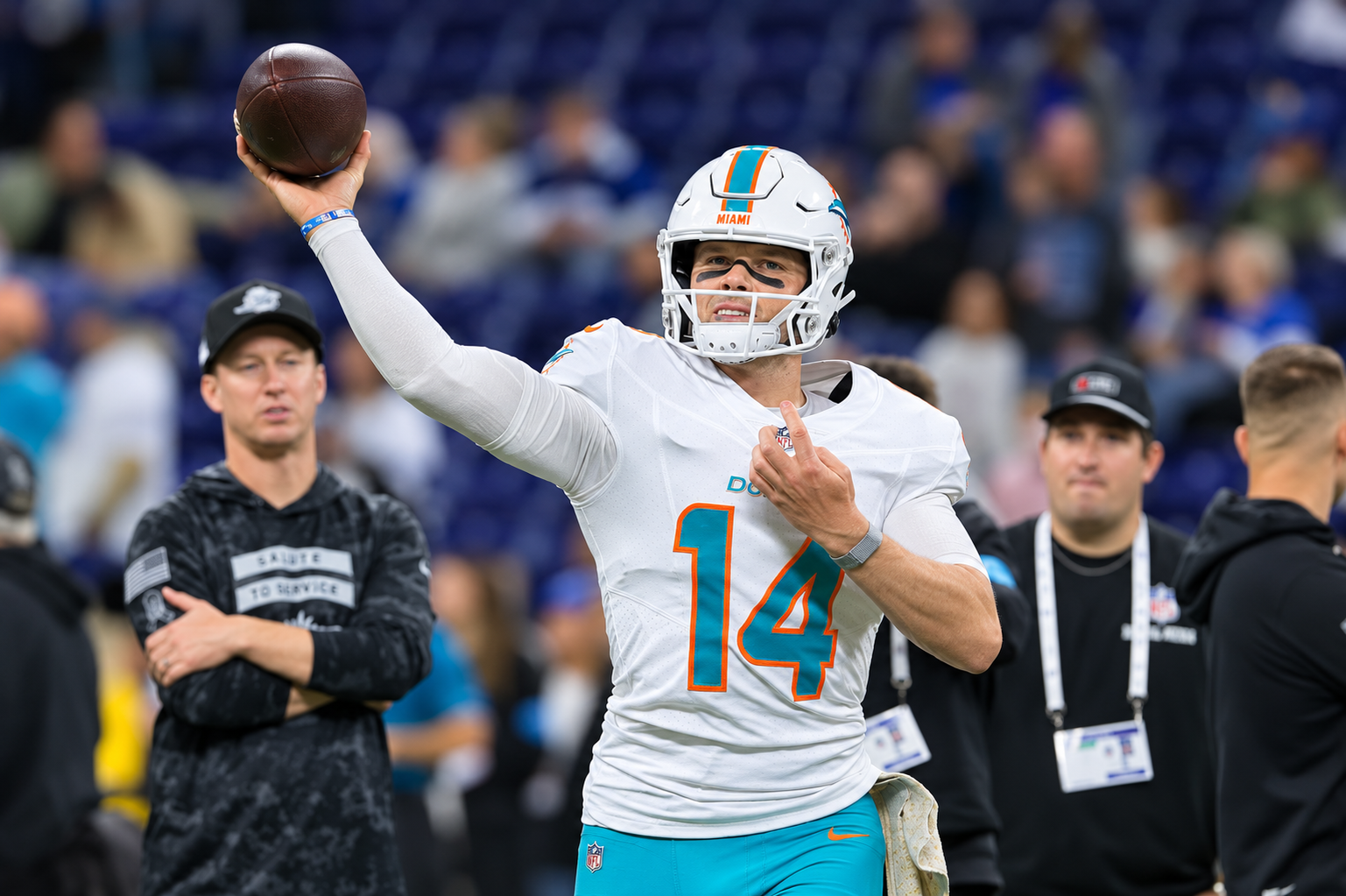
1. Kyle McCord Shows Encouraging Signs in His First Start
Kyle McCord finished 17/32 for 209 yards with no interceptions and added a rushing touchdown. I thought his decision-making was better than the completion percentage alone suggests. He had stretches where he played decisively, took the available throw, and gave his receivers opportunities. The lack of zip on some passes was noticeable, but this wasn't a bad first start given the circumstances. Greg Dulcich’s dropped touchdown opportunity on fourth down also cost McCord a chance to finish a productive game and potentially come out of this week with a win.
There were still costly mistakes. McCord got sacked and fumbled, and Indianapolis returned the fumble for a touchdown; Miami also allowed three sacks for 28 yards. Free rushers and slot pressure caused problems throughout the game, making it difficult to establish a consistent rhythm. Caleb Douglas provided explosive opportunities with three catches for 71 yards, while Malik Washington caught all three of his targets for 50 yards and threw a 34-yard touchdown to Jalen Tolbert on the double pass. Miami found ways to manufacture offense, but McCord needed more consistent help to finish the comeback.
2. The Secondary Gives Miami a Chance, but the Run Defense Struggles
The secondary was one of the biggest positives. Chris Johnson returned an interception 59 yards for a touchdown, giving Miami a much-needed spark, and Michael Taaffe added another interception. The Dolphins held Indianapolis to 104 net passing yards and forced them to 3/11 on third down. I liked the defensive production from the double-mug looks, with defenders threatening both interior gaps before the snap. Miami created uncertainty and made enough plays against the pass to stay competitive.
The run defense was a different story. Indianapolis finished with 172 rushing yards on 34 carries, averaging 5.1 yards per attempt. Containment was an issue, and Miami too often failed to prevent successful runs from turning into sustained drives. With Zach Sieler unavailable, this was a chance for the defensive front to step up, but the group didn't consistently hold up against the run. The defense deserves credit for its takeaways and for allowing only 276 total yards, but the imbalance between its pass defense and run defense was clear.
3. Ollie Gordon Provides Moments, but the Running Game Is Not Enough
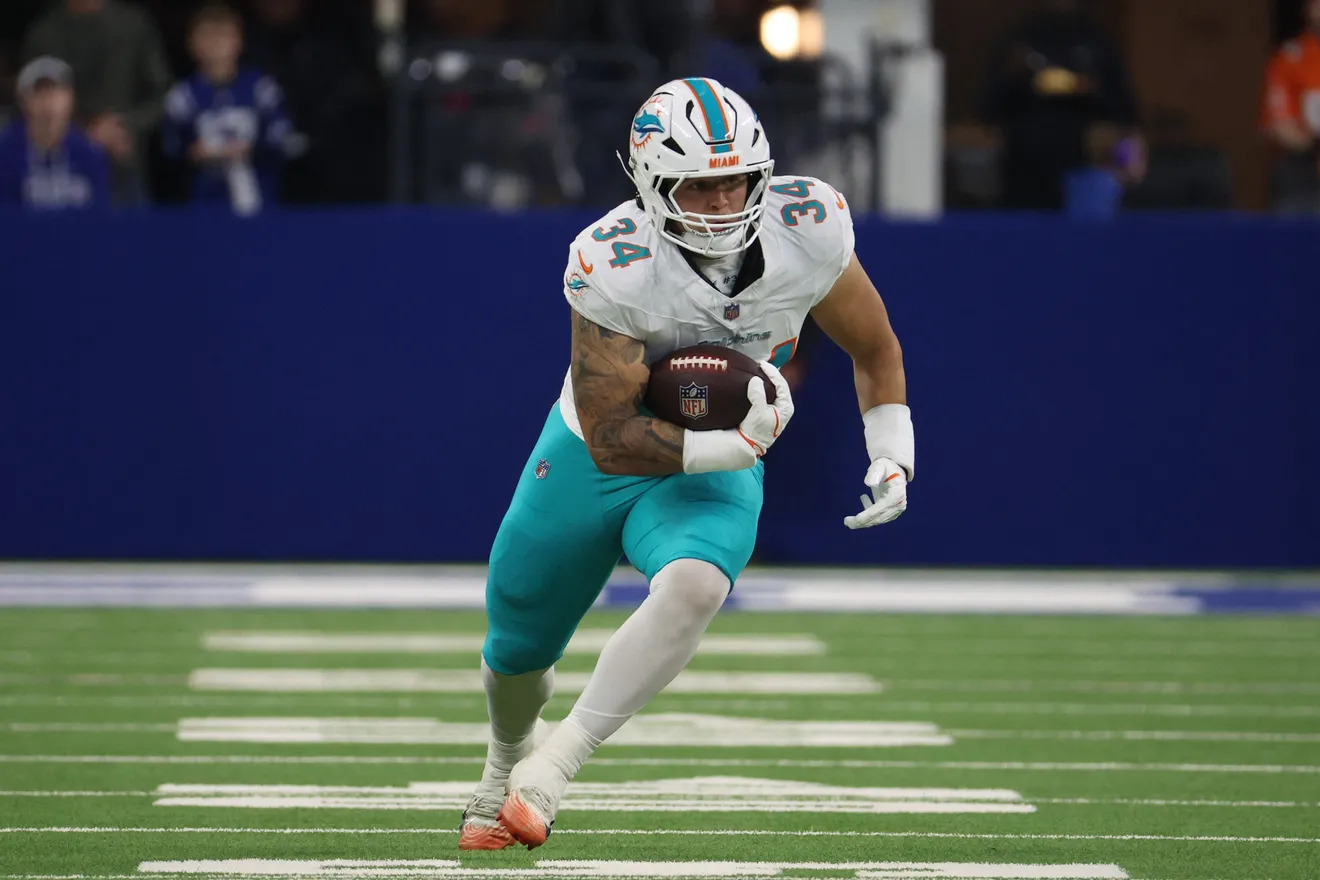
Ollie Gordon II had a stretch in the second quarter where he helped carry the offense, but Miami never established a dependable running game across all four quarters. Gordon finished with 76 yards on 20 carries, averaging 3.8 yards per attempt, and added four catches for 39 yards. His 115 yards from scrimmage made him an important part of the offense, particularly with an inexperienced quarterback making his first start. I liked his involvement, even though the rushing production remained inconsistent.
Outside of Gordon, there was very little. Jaylen Wright finished with minus-two yards on three carries, while Kaytron Allen’s only rushing attempt gained nothing. Miami totaled 78 rushing yards on 26 attempts, averaging just 3.0 yards per carry. The line was already operating without Aaron Brewer, and Jarrett Kingston later entered at center after Andrew Meyer was shaken up. Between the changes inside and the protection issues, Miami struggled to give McCord a stable foundation. A first-time starter needs more support than this running game provided.
4. Missed Kicks and Missed Opportunities Decided a Close Game
Zane Gonzalez finished 1/3 on field goals and 1/2 on extra points, leaving seven potential points unconverted in a two-point loss. He did connect from 53 yards, but the overall kicking performance was costly. It is impossible to assume the rest of the game would unfold exactly the same way if those kicks had gone through, but Miami repeatedly had opportunities to score and failed to. In a game this close, that is hard to overcome.
I also questioned the decision to attempt a field goal on fourth-and-two, especially with the kicking struggles already part of the game. Miami finished 3/11 on third down and 0/2 on fourth down, and the dropped touchdown opportunity added another missed chance. Indianapolis helped the Dolphins with 13 penalties for 83 yards, including five Miami first downs by penalty. The opportunities were there. A late sack that left Miami facing fourth-and-17 was another example of the offense losing ground when it could least afford it.
Final Thoughts
McCord showed enough for me to come away encouraged by parts of his first start, and Johnson and Taaffe continued to give Miami reasons to feel good about the secondary. But those positives came in another game where the Dolphins could not put everything together. The running game offered limited support, the protection allowed too many disruptions, and the kicking mistakes proved costly. Miami had a chance to leave Indianapolis with a win. It did not finish enough of the opportunities it created.